
The Best Office Plants for St. Louis Summers (That Won't Die in the AC)
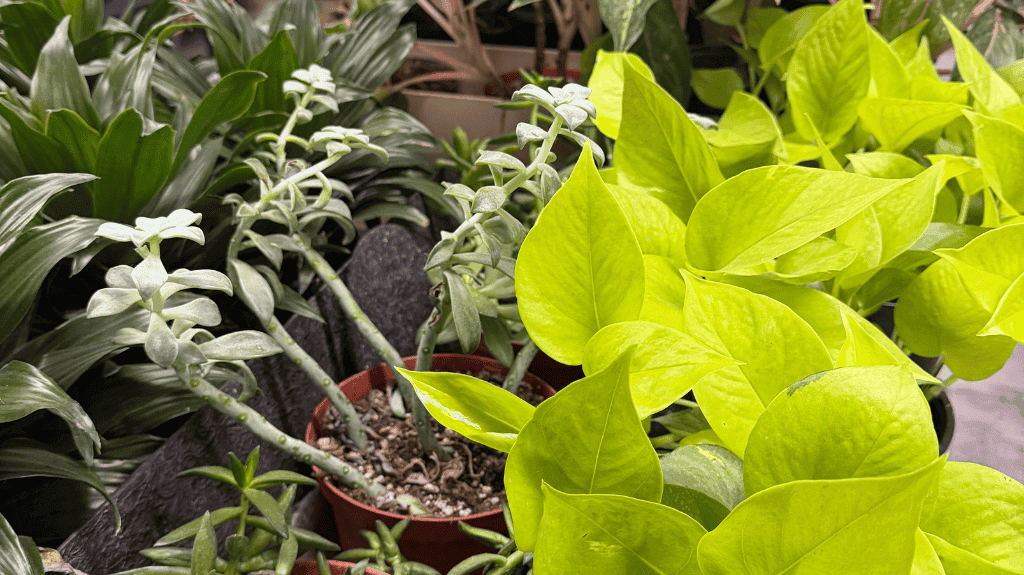
St. Louis summers are not gentle. From Memorial Day through Labor Day, the city cycles through stretches of sustained heat above 90 degrees, humidity that makes outdoor air feel like a warm compress, and thunderstorms that arrive without warning and leave before they have meaningfully cooled anything down. It is a climate that tests everything, including your office plants.
The combination of St. Louis summer conditions creates a specific challenge for office interiors: harsh direct light through south and west-facing windows, aggressive air conditioning that dries the air and creates temperature extremes near vents, and the general inconsistency that comes with summer staffing — vacation schedules, short weeks, and the inevitable period in July when it feels like half the office is somewhere else.
Most tropical plants, counterintuitively, find this environment genuinely difficult. Not because of the heat, they handle heat perfectly well. But because of the combination of factors that comes with how St. Louis offices respond to it. The good news is that there are varieties specifically suited to exactly these conditions. Here are the five we reach for most often when designing summer office plant installations across the St. Louis metro.
1. Pothos (Epipremnum aureum), The Most Dependable Summer Plant in St. Louis
If there is one plant we would trust to survive a St. Louis summer in virtually any office environment, it is pothos. Pothos thrives in low to medium indirect light, tolerates inconsistent watering with remarkable grace, and trails beautifully from shelves, planters, and wall-mounted containers. It is genuinely difficult to kill if it is not placed in direct sunlight.
Golden pothos, neon pothos, and marble queen pothos all perform well in air-conditioned environments. The Human Spaces global workplace study found that offices with strong natural elements produced 15% higher employee wellbeing — and pothos is one of the most practical ways to bring that natural presence into an AC-heavy St. Louis office. The trailing habit means a single well-placed plant can cover a significant area, making it one of the most visually impactful options per square foot of office space. We regularly install pothos in conference rooms, open plan areas, and hallways across Clayton and Chesterfield offices where the lighting is varied and the maintenance schedule is unpredictable.
One caveat: direct western afternoon sun through an unshaded window will scorch pothos leaves quickly. Placement is everything, which is exactly why professional assessment matters before any installation.
2. ZZ Plant (Zamioculcas zamiifolia), Designed by Nature for Neglect
The ZZ plant stores water in underground rhizomes — thick, fleshy roots that act as a reservoir, allowing the plant to go weeks without water without showing any signs of stress. In a St. Louis office during August vacation season, that is not a nice feature. It is a survival mechanism that makes the difference between a thriving plant and a dead one.
ZZ plants are glossy, architectural, and slow-growing, which means they maintain their shape for months without needing to be trimmed or repositioned. They tolerate low light better than almost any other tropical variety, making them ideal for interior office spaces with no direct window access. They look particularly striking in reception areas and corridors where their sculptural quality can be appreciated at a glance.
The one condition to avoid: direct afternoon sun through a west-facing window. ZZ plants will develop yellowing leaves in sustained direct sunlight, particularly the harsh western summer angles that hit St. Louis offices hardest between 2pm and 5pm in June and July.
3. Snake Plant (Sansevieria trifasciata), Vertical Drama, Zero Fuss
Snake plants are among the most structurally distinctive office plants available, and among the most tolerant of variable conditions. Their upright, sword-like leaves make a strong visual statement in reception areas and corridors, and their near-total indifference to light levels means they perform consistently in spaces where other varieties would struggle.
The EPA indoor air quality guidelines note that indoor air pollutants, volatile organic compounds, formaldehyde, benzene — accumulate in closed office environments, and snake plants are among the plants most frequently cited for their ability to process these compounds. In a sealed, air-conditioned St. Louis office running at full capacity in July, that is a meaningful additional benefit beyond the aesthetic.
Snake plants are slow growers, which means a well-positioned plant holds its form and visual impact for an extended period. We use them extensively in corridors and conference rooms across the metro where consistent, low-maintenance performance is the priority.
4. Peace Lily (Spathiphyllum), The One That Blooms in Low Light
Peace lilies do something no other plant on this list can claim: they reliably produce elegant white flowers in low-light office conditions. That makes them uniquely valuable in interior spaces where most flowering plants would simply refuse to bloom. The combination of deep green foliage and white spathes adds a softness and color variation that greener, leafier plants cannot replicate.
The trade-off is moisture. Peace lilies require more consistent watering than ZZ plants or snake plants, and they will droop noticeably when they need water — a clear signal, but one that requires someone to act on it promptly. In a professionally maintained installation, this is handled on schedule. In a DIY setup with irregular summer staffing, it is the most common reason peace lilies fail in St. Louis offices.
We recommend peace lilies in spaces that are reliably occupied throughout summer — reception areas with front desk staff, private offices where someone is present consistently — rather than open plan areas where occupancy is variable.
5. Bird of Paradise (Strelitzia reginae), Peak Summer Performance
Here is something that surprises many of our clients: bird of paradise is actually in its active growing season during St. Louis summers. While most people associate it with warm climates and worry it cannot handle the AC, the reality is that a well-placed bird of paradise in a south or east-facing St. Louis office thrives from June through September — producing new leaves and looking its most dramatic precisely when the summer sun is at its most intense outside.
The key is placement. Bird of paradise needs bright indirect light — the kind that comes from a south or east-facing window where the plant can see a wide section of sky without receiving direct midday sun on its leaves. In the right position, it is the statement plant of the collection. Clients comment on it. It creates the kind of first impression in a reception area or lobby that a piece of furniture simply cannot.
Browse our office plants to see the full range of varieties we use in St. Louis summer installations, and visit our office plant services page to understand how the installation and maintenance process works.
The Factor That Determines Whether Any of These Plants Succeed
The single most important variable in office plant success is not the species. It is placement. We have seen ZZ plants fail in windowless hallways. We have seen pothos brown in direct western sun. We have seen bird of paradise dry out under AC vents positioned directly above a beautiful south-facing window. The University of Exeter research that found a 15% productivity boost from office plants was conducted in professionally designed and maintained environments — not DIY setups where good plants were put in wrong places and left to manage.
Professional plant installation means that every plant in your St. Louis office is assessed for your specific light conditions, positioned for optimal performance, and maintained on a schedule that accounts for seasonal variation. That is what separates a thriving installation from a graveyard of good intentions.
Ready to find out which plants would thrive in your St. Louis office this summer? Schedule a free consultation — we will assess your actual light conditions and recommend exactly the right varieties for your space.
